
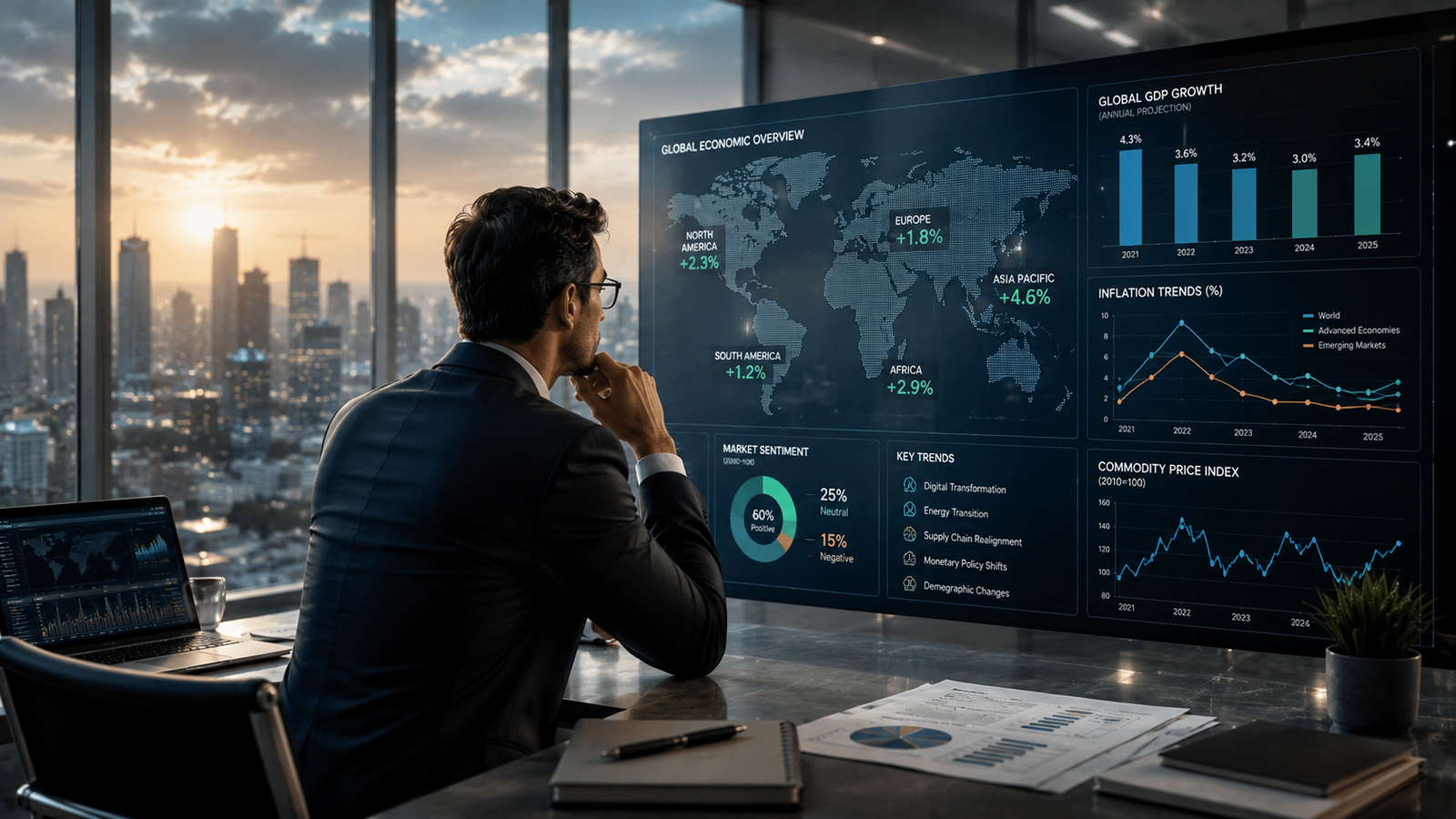
Explore how Economic Trends influence businesses, investments, consumer behavior, and long-term growth in an evolving global economy.
Understanding Economic Trends in a Changing World
The global economy is constantly evolving as technology, consumer behavior, government policies, and international events reshape markets. For businesses, investors, and policymakers, understanding Economic Trends is essential for making informed decisions and preparing for future opportunities. By monitoring economic developments, organizations can better anticipate changes, manage risks, and position themselves for sustainable growth.
In an increasingly interconnected world, economic shifts in one region can influence industries and businesses across multiple countries. Staying informed about these trends enables organizations to remain competitive and respond proactively to changing market conditions.
What Are Economic Trends?
Economic Trends are long-term patterns and changes that influence the performance of local, national, and global economies. These trends include fluctuations in inflation, employment, interest rates, consumer spending, business investment, and economic growth.
Analyzing these indicators helps businesses understand current market conditions while planning for future developments.
Inflation and Purchasing Power
Inflation measures the rate at which the prices of goods and services increase over time. Rising inflation can reduce consumer purchasing power and increase operating costs for businesses.
Organizations often adjust pricing strategies, budgets, and supply chain management to respond effectively to inflationary pressures.
Interest Rates and Business Investment
Central banks use interest rates to influence borrowing, spending, and investment throughout the economy.
Higher interest rates can increase financing costs and slow investment activity, while lower rates often encourage business expansion, consumer spending, and economic growth.
Consumer Spending Patterns
Consumer spending remains one of the strongest drivers of economic activity. Changes in employment, income, confidence, and financial conditions influence purchasing behavior.
Businesses that monitor Economic Trends related to consumer demand can better align products, marketing strategies, and inventory planning with market needs.
Technological Innovation
Technology continues to reshape industries by improving productivity, creating new business models, and increasing operational efficiency.
Artificial intelligence, automation, cloud computing, and digital transformation are among the key innovations influencing economic growth and business competitiveness.
Global Trade and Supply Chains
International trade supports economic development by connecting businesses with suppliers, customers, and investment opportunities worldwide.
However, geopolitical events, transportation challenges, and regulatory changes can affect supply chain stability and global market performance.
Labor Market Developments
Employment levels, workforce skills, and labor availability significantly influence business operations and economic growth.
Organizations increasingly invest in employee development, automation, and workforce planning to adapt to changing labor market conditions.
Sustainability and Green Investment
Environmental sustainability has become an important economic trend as governments, investors, and consumers place greater emphasis on responsible business practices.
Investments in renewable energy, sustainable manufacturing, and environmentally friendly technologies continue creating new business opportunities.
Digital Transformation and Economic Growth
Digital technologies enable businesses to improve productivity, enhance customer experiences, and expand into new markets.
Organizations that embrace digital transformation are often better positioned to capitalize on evolving Economic Trends while maintaining long-term competitiveness.
Preparing for Future Economic Trends
Successful organizations regularly monitor economic indicators, industry developments, technological advancements, and consumer behavior.
Combining economic insights with strategic planning allows businesses to adapt more effectively, manage uncertainty, and identify emerging growth opportunities.
Conclusion
Economic Trends play a critical role in shaping business strategies, investment decisions, and long-term economic development. By understanding factors such as inflation, interest rates, consumer spending, technological innovation, labor markets, and global trade, organizations can make informed decisions that support resilience and sustainable growth. Businesses that continuously monitor economic trends are better prepared to navigate change and succeed in an increasingly dynamic global economy.
FAQ
1. What are Economic Trends?
Economic Trends are long-term changes and patterns that influence the performance of economies, businesses, markets, and consumer behavior over time.
2. Why are Economic Trends important for businesses?
They help organizations anticipate market changes, improve strategic planning, manage risks, and identify opportunities for sustainable growth.
3. Which Economic Trends have the greatest business impact?
Inflation, interest rates, consumer spending, technological innovation, labor market developments, global trade, and sustainability initiatives are among the most influential economic trends.
4. How can businesses respond to changing Economic Trends?
Businesses can strengthen financial planning, invest in technology, monitor market data, diversify operations, and regularly review their business strategies.
5. How often should businesses monitor Economic Trends?
Organizations should review Economic Trends continuously, using monthly, quarterly, and annual economic reports to guide informed decision-making and long-term planning.
